The 'Tism Edition
Plus: WIN double passes to Auckland Arts Festival 🎊

Kia ora e hoa mā,
In this week’s delicious edition:
How to WFH (wellbeing from home)🧖
A new diagnosis of profound autism on the cards 📝
Could charter schools for neurodivergent students help some? 🍏
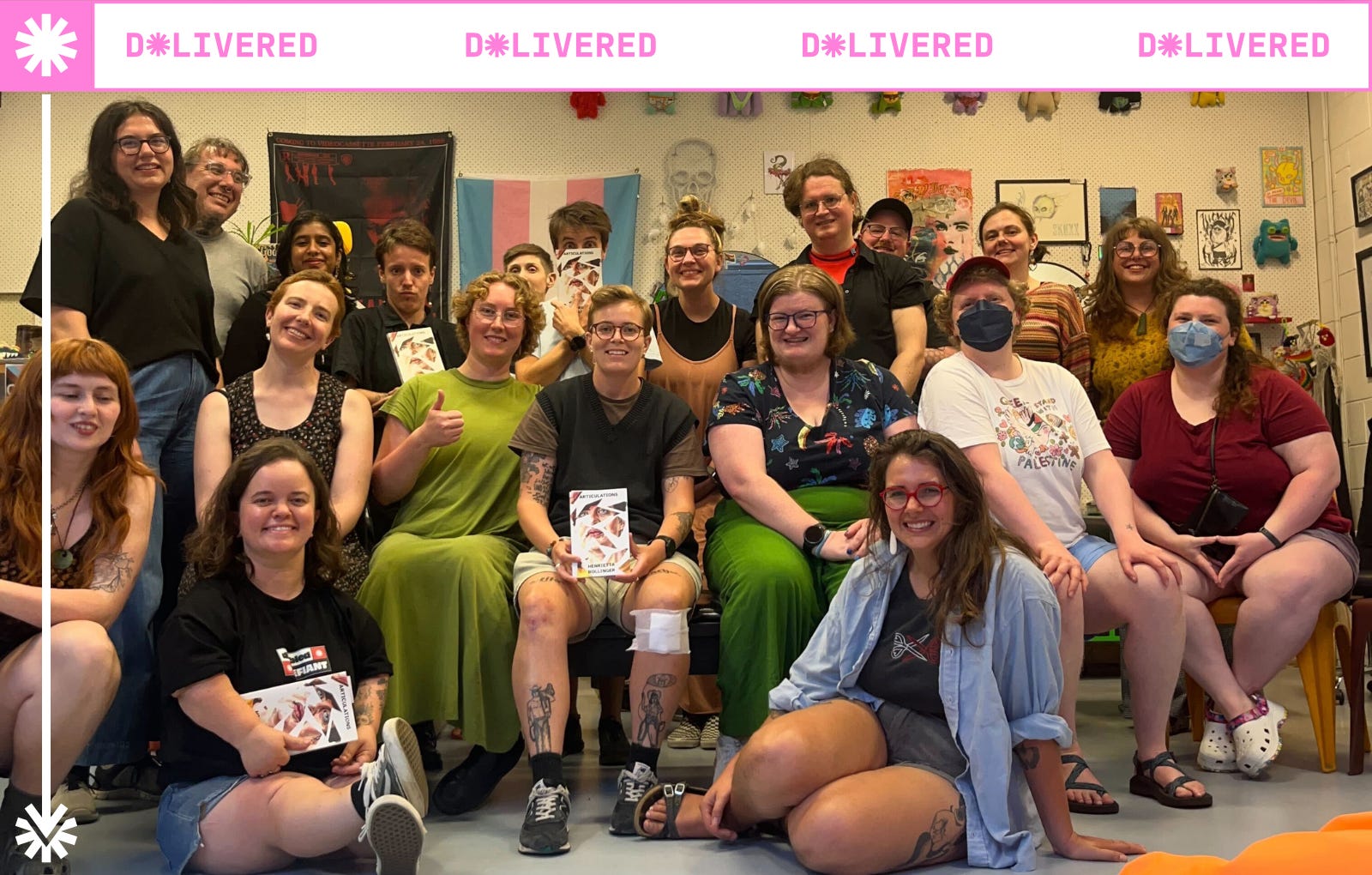
As summer slowly wraps up, I’m looking forward to spending some more time at home. I love how busy summer can be, and it’s been a gorgeous Auckland Pride month, but I am tired! I’m going to keep my mental health meter topped-up from home — I’ll be playing with my cats, calling up my friends, and reading more. What wellbeing top ups will you be doing this autumn? 🍁
For more of this kōrero, visit topupwellbeing.nz
Brought to you in partnership with Te Whatu Ora
If you’re looking for a little escapism or a way to spend quality time with a friend or loved one, we might be able to help! ⭐️ Next week, Te Ahurei Toi o Tāmaki Auckland Arts Festival begins and we’ve got two double passes to any show and an AAF T-shirt to give away. All you have to do is reply “AHUREI” to this email or newsletter, and follow AAF on Instagram or Facebook and you’ll be in to win! 🎊 You can check out the festival’s accessible showlist here.

🏖️ For those who also reside in Tāmaki Makaurau, Auckland Council is inviting all residents to participate in their annual plan consultation for June 2026-2027. You can read about what they’re planning and offer your thoughts online, or request them from information and feedback forms from libraries and council service locations, emailing akhaveyoursay@aucklandcouncil.govt.nz or calling 09 301 0101.
Translated summaries of the consultation document and feedback form are available in many languages and formats including NZSL videos, Easy Read, Large Print and Braille. Consultations have just opened today and close on 29 March.

🧩 A new diagnosis of profound autism is on the cards as an Australian study found defining a profound autism category may provide a clear, measurable way to describe the needs of autistic people with the highest support requirements.
A new round of debates sparked off last year following this New York Times article which explored the evolution of the autism diagnosis, the neurodiversity movement and its subsequent increase in ASD diagnoses, and now its varying perspectives on splitting the diagnosis.
A family who spoke to 1 News earlier in the month, have been pro-splitting the diagnosis, arguing that the increased diagnoses have taken the focus off helping people with round-the-clock needs, especially where safety is a concern.
Arguments against it tend to come from a neuro-affirming cultural perspective where a new label may further stigmatise people with high needs. Autism New Zealand CEO, Dane Dougan, told RNZ that while some autistic people would like a separate category, he feels like splitting the diagnosis up “would probably be counterproductive and draw attention away from the actual issue at hand, which is a lack of understanding, support, and accommodations for the autistic people as a whole.”
🅿️ A mother and her autistic son were interrogated with ableist and racist remarks when exiting their car which was legally parked in a mobility carpark. Disability Rights Commissioner, Prudence Walker, told NZ Herald that those worried about the abuse of mobility parking should leave policing matters to the relevant authorities “to protect everyone’s dignity.”
“We know that community knowledge about the diversity of disabled people is not high, many impairments are invisible and it is not helpful to make assumptions…If community members are concerned that a park is not being used by someone who needs it, they could consider letting the council know on public or council property, or in the case of private property, the landowner.”
💼 The report for the inquiry into the Equal Pay Amendment Act 2025 was published this week. The ‘People’s Select Committee’ says that the Government failed to consider its international obligations under the UNCRPD during the passage of the Act and was in breach of those commitments. The DPA’s submission said that the legislation is “viewed as a breach of human rights under international law and exacerbates existing systemic discrimination and pay gaps faced by disabled individuals in employment.”

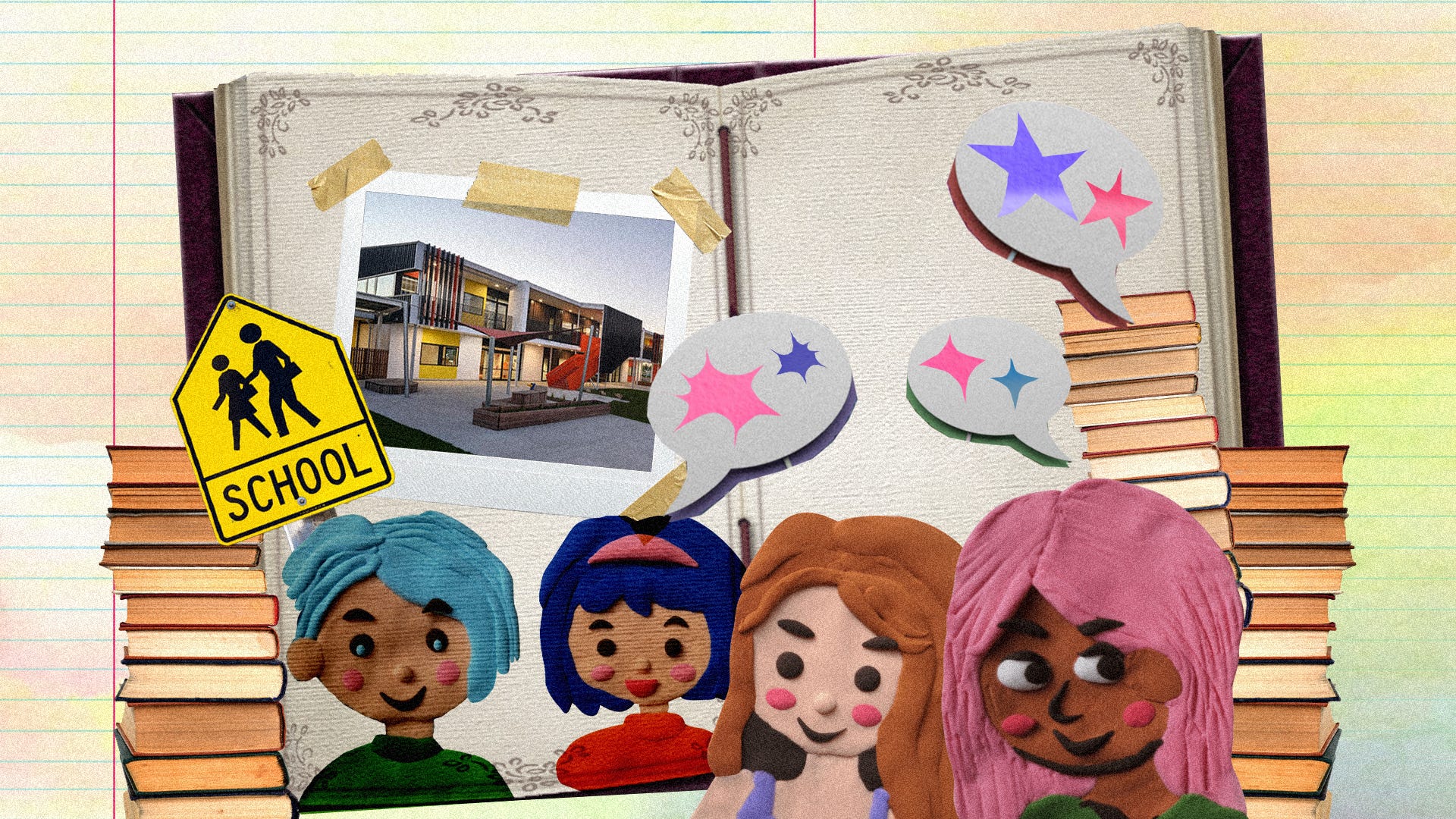
Kartini Clarke writes while charter schools are not the only solution for all young neurodivergent people, it could be the start of loving learning again for some.
I acknowledged that mainstream education works for 80% of pupils. But the 20% were falling through the cracks, oblivious to the fact that I should’ve counted myself in that statistic. I now wonder, had I not had my neurodivergence diagnosed in adulthood and had instead had the option of attending a school designed for my brain, if I would have experienced better mental health and not had to go through a long journey to reclaim my love of learning.

🌀 Auckland Deaf Society is hosting a free, NZSL-supported wānanga on traditional Māori games lead by Wiremu Sarich (Te Rarawa, Ngāpuhi) tomorrow at 10am at 16 Hillsborough Road. Lunch is provided. Email NZSL@whaikaha.govt.nz ASAP to RSVP.
🪺 The Rest Sanctuary has an 8-week, no cost offering coming up from March 10 to April 30 in Auckland. These sessions, with up to 12 participants, focus on open, creative exploration and rest with a facilitator, guided by the rights model of disability. Learn more and sign up here.
Noho ora mai rā 💚
Eda