The Easter Edition 🐣
Plus: How to make egg hunts accessible 🍫

Ngā mihi o te wā o Aranga!
In this week’s delicious edition:
John Landreth’s rebirth as a disabled artist ♻️
Getting friends to care about COVID again 🤲
Your last chance to join our board 😘
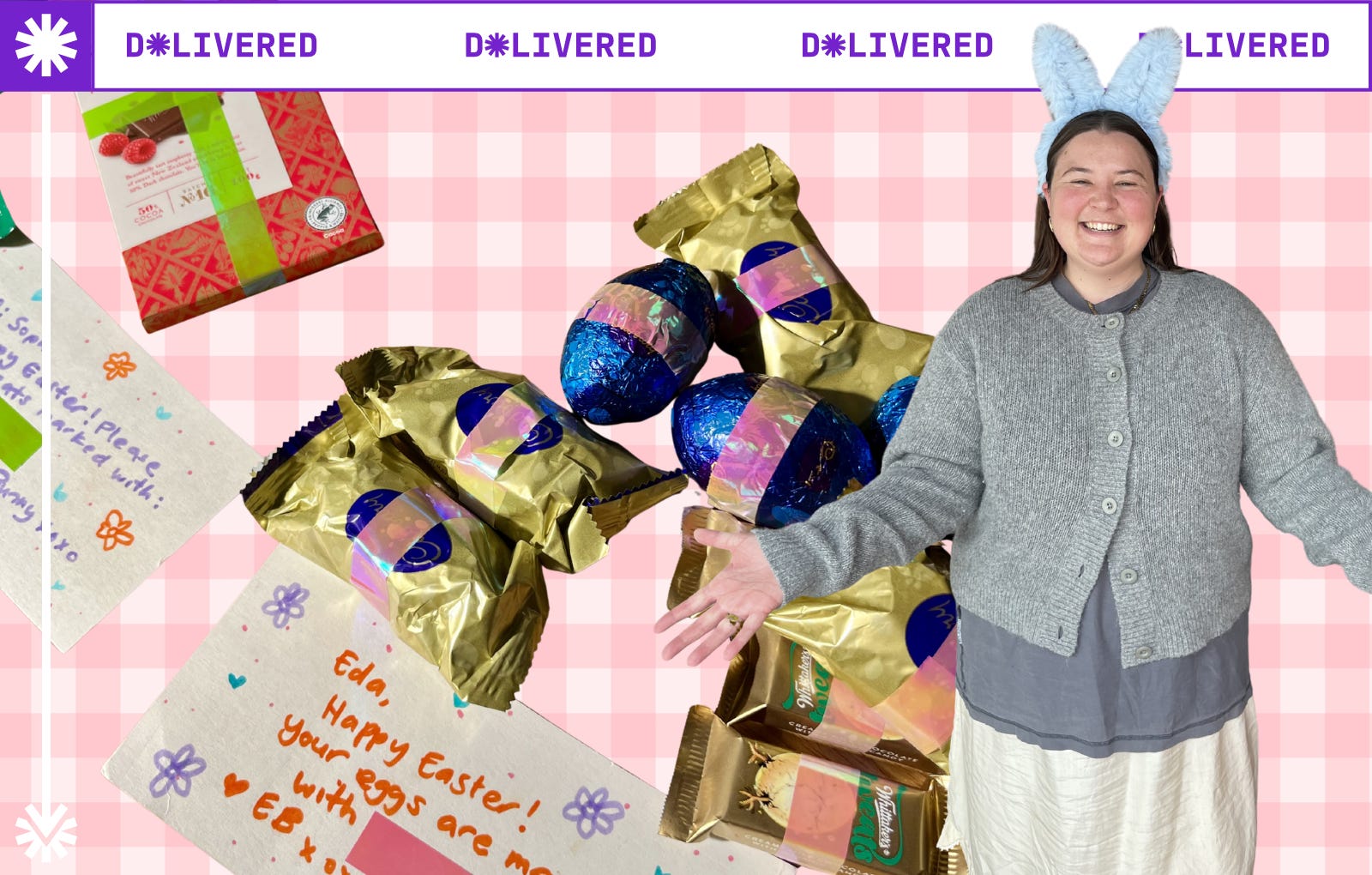
If you feel like you’re too old for an easter egg hunt, you’re wrong. It’s not you. It’s the eggs. Our kaimahi at The D*List are competitive and we have a range of accessibility needs and dietary requirements, but that did not stop us from having a blast with our office hunt.
🐰 Our in-house Egg-ccessible Egg Hunt Specialist, Geo Cocks, assigned each of the hunters a colour. I was assigned pink, so I was only looking for chocolates with my pink tape on it. All of these choccies suited my dietary requirements and were placed in areas that I could reach. I love this whakaaro for so many reasons:
1. Everyone gets the same set number of treats, so you don’t miss out if you want to take it slow.
2. There’s some fun in knowing where someone else’s treats are. You can either taunt your friends, or give them clues.
3. We really felt cared for and thought about knowing that our chocolates were bought for our needs specifically and placed in areas that work for us.
Geo had hidden each person’s eggs while thinking of their access needs:
”One by one, I hid everybody’s Easter hunt so that I could be aware of where I was putting the chocolates for people who use wheelchairs, have different height access, or I didn’t want some people to be doing too much bending down.”
She also reckons this isn’t just about access needs, but generally being inclusive:
“I think for people with dietary requirements as well, I really wanted them to feel like they were as involved. There was an idea that I would put tokens in places and then people would exchange them for chocolate. But I think the excitement of finding the treat is maybe a little more fun.”
Is this something you’ll try this Easter? Or you might have your ways of making festive celebrations like Easter inclusive. We’d love to know!

🎬 Turi Māori filmmaker Jared Flitcroft has been announced as the recipient of the $10,000 Whakahoa Kaitoi Whanaketanga Creative New Zealand Deaf and Disabled Artists Fellowship 2026.
🔄 Flexible funding has returned with purchasing rules removed, announced the Government. Minister Louise Upston added that the DSS consultation confirmed longstanding issues with the disability support system and that it “struggled to track or forecast costs, and oversight was limited.”
“The review also found unclear criteria and processes for people to access flexible funding created an ‘inequitable and unfair’ postcode lottery for disabled people around the country and contributed to increasing costs.”
⛽️ Home support workers have taken Health NZ to court alleging breaches of the Wages Protection Act 1983 “by forcing home support workers to spend their own wages on cars, fuel, insurance, and maintenance as a condition of doing their jobs.”
Meanwhile, RNZ reports ministers have been seeking urgent advice on to ease fuel costs for support workers. Health Minister Simeon Brown said relief could be offered by boosting the existing mileage allowance which workers received: a rate that has not increased in four years.

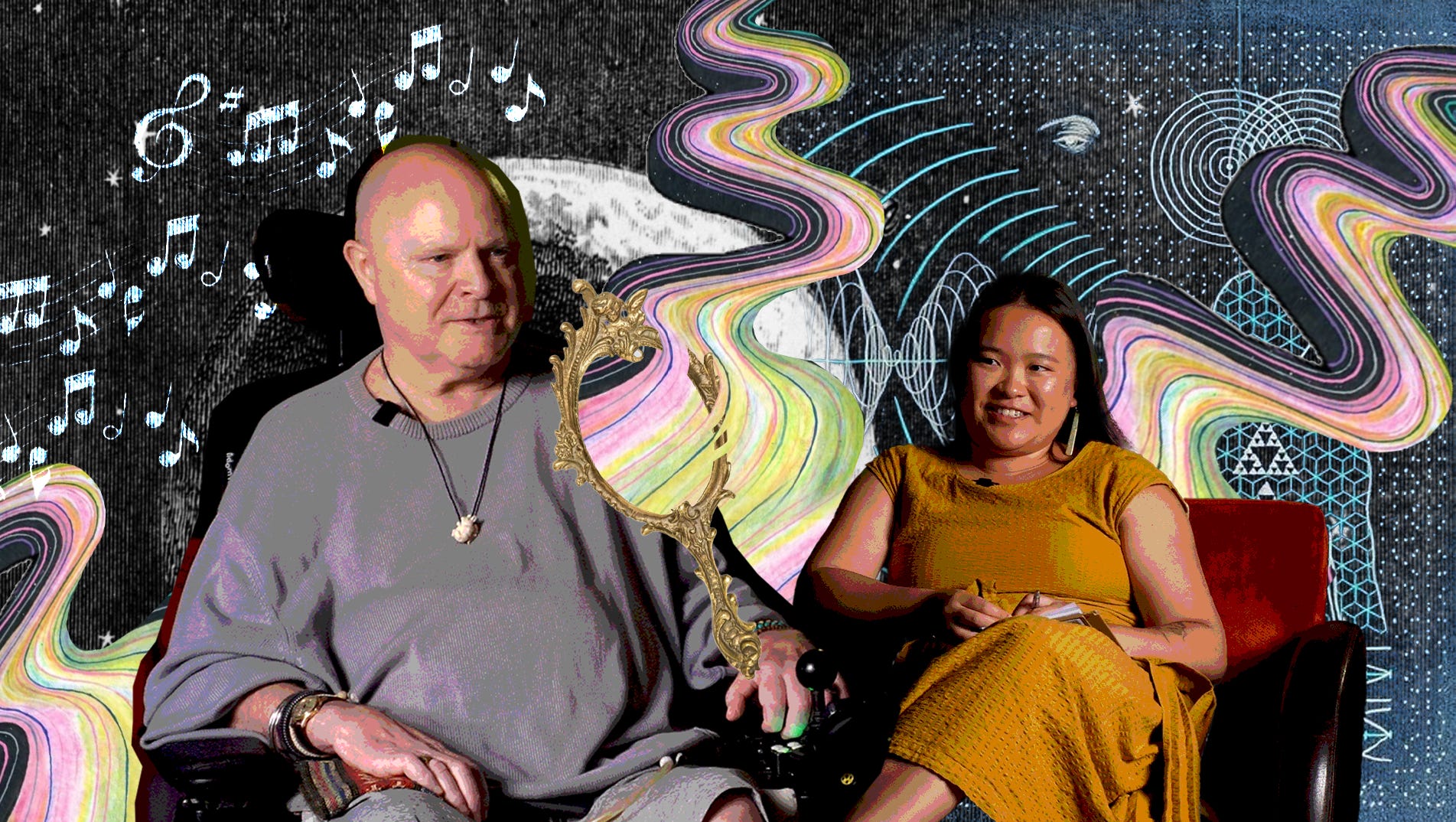
🎶 John Landreth became disabled in 2018, significantly changing the ways he knew himself and how to live. After a period of grief and renewal, John has reclaimed his voice as an artist and put out an EP called The Wall which captures the hope and transformation he has moved through since. I spoke to John about his artistry, about living with pain, and how he negotiates the changes that happen to our bodies when disability is acquired or developed.
“I'm just moving through the world slightly differently than I did before, but I have the same heart I have the same humour. I have the same head. In a lot of respects, I've learned much more from this experience than I ever would or could have without having broken my neck in 2018. I'm stronger in many ways. I'm more aware in many ways. I'm more giving in many ways, yeah, and I'm more connected.”
😷 Amidst the 9th wave of Covid-19, Soph Jackson provides some ways to get the people around us to care about Covid again. While it shouldn’t be up to disabled people to do it, sometimes it’s up to us to educate non-disabled folks.
Remember: it’s not just COVID-19 either. We can get our annual flu jab, and test when we’re ill. We can reduce our contact with other people even when we ‘just’ have a cold or the flu. It’s good to get into the habit of taking sickness seriously, because COVID-19 isn’t the only illness that can affect our health long-term.

🏉 Te Pou Theatre is hosting a screening of Voices of Strength/Le'o Mālohi, three-part documentary series shining light on the voices of three disabled Pasifika people: Kauri Murray, Ona Manu, and Natasha Barber. Secure your spot for the screening on Sunday 19th April 3-6pm.
🗳️ Last chance to apply to be on The D*List’s board of trustees! Submit your application to MahiToaWorkforce@gmail.com by 5pm this Sunday. More details here.
Kia pai te wā whakatā 🐣
Eda